The Diverse Use Aluminum Casting in Various Industries and Their Effect On Development
Aluminum casting functions as a basic procedure throughout multiple industries, affecting layout and manufacturing methods. Its lightweight and corrosion-resistant features enhance performance in auto and aerospace applications. Additionally, it assists in ingenious durable goods and advanced electronic devices. The convenience of aluminum is also apparent in building and construction and framework projects. As markets progress, the effects of aluminum casting on future modern technologies call for closer examination (Aluminum Foundry). What developments exist ahead in this vibrant area?
Automotive Sector: Enhancing Efficiency and Efficiency
The automotive industry increasingly accepts aluminum casting to improve both efficiency and efficiency in vehicle manufacturing. This change is driven by aluminum's lightweight residential properties, which add to enhanced fuel effectiveness and reduced exhausts. By substituting much heavier products with aluminum parts, makers accomplish substantial weight decreases, aiding in the overall design of modern cars.
Moreover, aluminum casting enables complex styles that can enhance aerodynamics, better boosting efficiency. The ability to produce complicated components in a single casting process lessens the need for several components, enhancing assembly and reducing manufacturing expenses.
Additionally, aluminum's resistance to deterioration prolongs the lifespan of auto parts, offering long-term integrity for consumers. As the automotive market continues to advance, the combination of aluminum casting modern technology becomes a pivotal approach for manufacturers aiming to satisfy both governing standards and customer expectations for lasting, high-performance vehicles.
Aerospace Applications: Lightweight Solutions for Advanced Design
In aerospace engineering, aluminum casting plays a necessary role in establishing light-weight components that improve overall efficiency. By focusing on weight reduction techniques, makers can boost architectural stability and gas effectiveness. This approach not only fulfills the demands of contemporary air travel however likewise sustains sustainability objectives in the industry.
Weight Reduction Approaches
A significant focus on weight reduction has ended up being a keystone in aerospace design, where every ounce counts toward enhancing fuel performance and total performance. Aluminum casting plays a critical function in accomplishing these weight reduction methods. By making use of sophisticated alloys and optimized casting strategies, suppliers can create lightweight parts without endangering stamina. Design technologies, such as latticework structures and hollow areas, additionally lessen weight while maintaining functionality. The combination of computer-aided design (CAD) allows designers to mimic and evaluate different styles, guaranteeing the most efficient use products. In addition, using aluminum's superb strength-to-weight ratio allows the advancement of lighter aircraft, adding to reduced operational costs and lowered environmental influence. These approaches highlight the importance of aluminum casting in modern aerospace applications.
Architectural Stability Enhancements
Structural integrity continues to be a crucial emphasis in aerospace engineering, particularly as the need for lightweight remedies escalates. Aluminum casting offers special advantages in improving architectural integrity without compromising weight. Advanced casting strategies enable the manufacturing of intricate geometries, guaranteeing suitable strength-to-weight ratios. As an outcome, elements such as aircraft structures, engine installs, and assistance structures take advantage of the fundamental longevity of aluminum while preserving lighter configurations. In addition, the material's resistance to corrosion additionally enhances durability and efficiency in demanding aerospace settings. These advancements not just enhance the strength of aerospace components yet also assist in the assimilation of advanced layouts, eventually driving onward the sector's commitment to safety and performance. Aluminum casting subsequently plays a critical function in advancing aerospace engineering requirements.
Gas Performance Improvements
While the aerospace market significantly focuses on gas performance, aluminum casting arises as a principal in accomplishing this objective through lightweight remedies. By making use of aluminum's reduced thickness and high strength-to-weight ratio, makers can markedly lower airplane weight, causing reduced gas intake. Parts such as engine installs, fuselage structures, and wing frameworks benefit from aluminum casting techniques, enabling intricate layouts that preserve structural integrity while minimizing mass. This reduction in weight not only boosts fuel effectiveness however additionally decreases greenhouse gas emissions, straightening with worldwide sustainability objectives. As aerospace modern technology advancements, the duty of aluminum casting in producing innovative, lightweight elements will remain to be necessary, driving further renovations in efficiency and efficiency throughout the industry.
Consumer Goods: Innovative Designs and Sustainability
Using aluminum casting in durable goods provides substantial advantages, including its environment-friendly material buildings that align with sustainability objectives. This adaptability permits for one-of-a-kind style opportunities that can boost product charm and performance. Additionally, cost-efficient production techniques make aluminum an appealing option for manufacturers aiming to stabilize high quality with price.
Environmentally Friendly Product Conveniences
Green products, specifically in the domain of aluminum casting, are transforming durable goods with ingenious styles that focus on sustainability. The light-weight nature of aluminum enhances product performance, decreasing energy usage during transport and usage. In addition, aluminum's recyclability considerably reduces waste, allowing makers to embrace circular economic climate concepts. By selecting aluminum casting, firms can develop resilient products that keep aesthetic worth while being eco responsible. This commitment to sustainability often reverberates with consumers, influencing their getting choices and cultivating brand name loyalty. As industries integrate green methods, aluminum casting emerges as a crucial gamer in minimizing carbon footprints, demonstrating that sustainable products can at the same time meet consumer demands for advancement and environmental stewardship. Such developments highlight the expanding relevance of eco-conscious choices in today's marketplace.
One-of-a-kind Layout Opportunities
Aluminum casting opens up a domain name of one-of-a-kind layout opportunities that accommodate both technology and sustainability in durable goods. This versatile procedure allows developers to create complex shapes and lightweight frameworks that are frequently unachievable with conventional production approaches. The fluidity of liquified aluminum allows the manufacturing of complicated geometries, which can enhance capability while preserving visual appeal. Additionally, aluminum's recyclability contributes to sustainable design techniques, as items can be crafted with an emphasis on lifecycle monitoring. Developers take advantage of this adaptability to produce ergonomic and aesthetically striking items, combining kind and function flawlessly. Aluminum casting not only cultivates creativity however likewise lines up with modern-day consumers' growing need for eco accountable products.
Affordable Production Methods
Electronics Production: Accuracy Components for Modern Devices
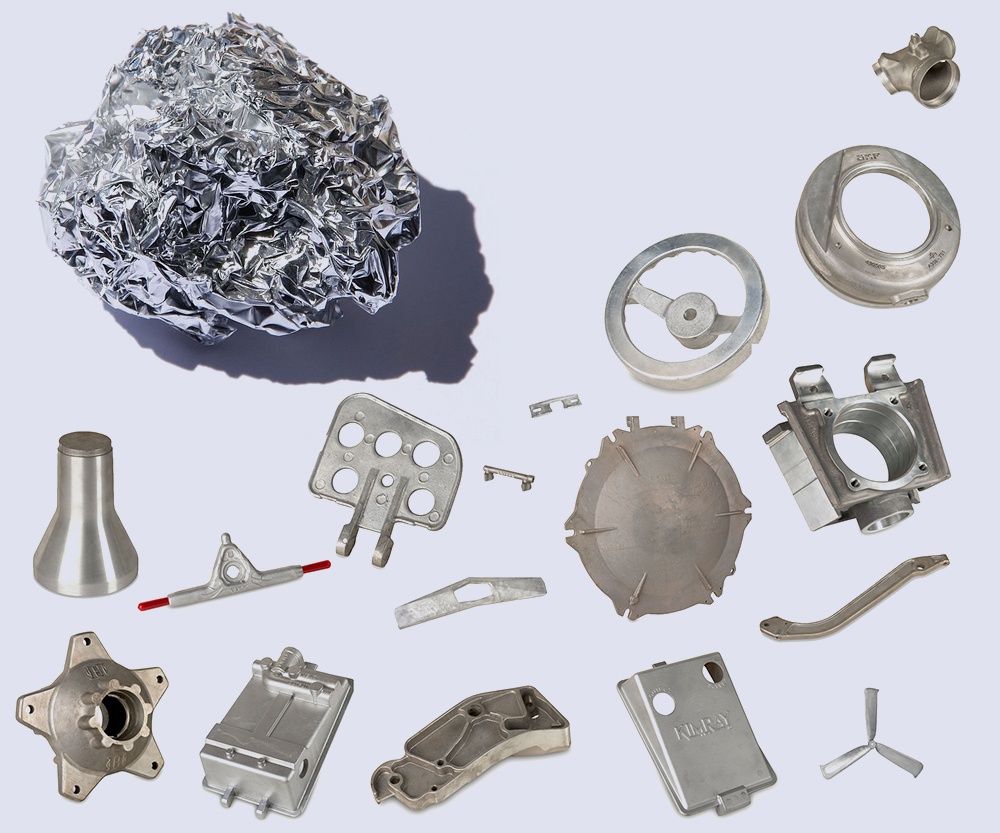
Advancing technology demands accurate elements that can endure the roughness of contemporary electronic devices. Aluminum casting plays a crucial duty in electronic devices making, giving light-weight yet sturdy parts crucial for gadgets such as mobile phones, tablet computers, and laptop computers. The one-of-a-kind residential or commercial properties of aluminum, consisting of exceptional thermal conductivity and resistance to deterioration, make it an ideal selection for complex enclosures and heat sinks.
Manufacturers use innovative casting methods to accomplish tight tolerances and complicated geometries, ensuring that every component fits flawlessly within the gadget architecture. This precision not just enhances performance yet also adds to energy effectiveness, a crucial consider the style of modern electronics.
Moreover, aluminum parts are recyclable, straightening with the industry's expanding emphasis on sustainability. As the demand for cutting-edge digital tools remains to climb, aluminum casting continues to be a keystone in the advancement of high-quality, reputable, and eco-friendly electronic elements, driving progression in the modern technology market.
Building and construction and Infrastructure: Long Lasting and Versatile Materials
In the construction and infrastructure sectors, a varied variety of materials is essential for creating resilient and flexible frameworks. Aluminum casting has actually become a crucial component, providing one-of-a-kind benefits such as lightweight residential properties, deterioration resistance, and simplicity of construction. Its ability to withstand rough environmental conditions makes it a favored selection for various applications, including bridges, exteriors, and architectural elements.
Aluminum's recyclability aligns with lasting building and construction methods, adding to reduced environmental effect. The product can be conveniently built right into intricate shapes, permitting engineers and engineers to explore ingenious styles without jeopardizing architectural honesty. Additionally, the sturdiness of aluminum spreadings assurances durability, lowering upkeep expenses and increasing the life-span of facilities projects.
As urbanization continues to climb, the need for trustworthy products like aluminum casting is readied to expand, additionally solidifying its role in progressing building practices and improving the overall top quality of facilities.
Arising Technologies: The Future of Aluminum Casting in Technology
As markets undertaking for higher performance and sustainability, arising innovations are improving the landscape of aluminum casting. Technologies such as additive production, additionally called 3D printing, are changing traditional casting approaches. This technology enables the production of complicated geometries with lowered material waste, boosting both performance and sustainability. Furthermore, advancements in computer-aided style (CAD) and simulation software allow designers to optimize layouts and predict casting outcomes much more properly, minimizing issues and production time.
The combination of man-made intelligence (AI) in the casting procedure aids in real-time tracking and anticipating maintenance, reducing and making certain top quality results downtime. These innovations not only simplify manufacturing however also add to the advancement of lighter, stronger aluminum components that satisfy the demands of different industries, from auto to aerospace. As these technologies proceed to advance, they promise to boost the adaptability and application of aluminum casting in the future.
Often Asked Concerns
What Are the Ecological Effects of Aluminum Casting Production?
Aluminum casting production can cause considerable see here ecological influences, including greenhouse gas exhausts, energy consumption, and waste generation. In addition, incorrect disposal of toxins and spin-offs may harm regional ecological communities and contribute to air and water contamination.
How Does Aluminum Casting Compare to Various Other Products in Regards To Cost?
Aluminum casting generally supplies a competitive price contrasted to materials like steel and titanium, especially because of its light-weight nature and ease of manufacturing. This cost performance makes it a preferred selection in many manufacturing sectors.
What Precaution Are Needed Throughout Aluminum Casting Processes?
During aluminum casting processes, important safety and security actions consist of correct ventilation, personal safety tools (PPE), training on tools procedure, routine upkeep checks, and adherence to safety procedures to avoid accidents and assure a safe workplace.
Can Aluminum Casting Be Recycled, and Just how?
Yes, aluminum casting can be recycled. The process entails gathering scrap aluminum, melting it down, and changing it right into brand-new items. This lowers waste and conserves energy, making aluminum recycling both eco friendly and effective.
What Are the Limitations of Aluminum Casting in Specific Applications?
Aluminum casting encounters restrictions including vulnerability to porosity, decreased toughness at heats, and trouble in attaining intricate designs. These elements can prevent its application in high-stress atmospheres and specific design needs, affecting total efficiency.
Aluminum casting permits for complex layouts that can maximize straight from the source the rules of aerodynamics, additionally boosting efficiency. Elements such as engine mounts, fuselage frames, and wing structures profit from aluminum casting techniques, enabling for intricate layouts that keep architectural stability while minimizing mass (Aluminum Casting Company). Environmentally friendly products, especially in the domain of aluminum casting, are changing consumer products with ingenious designs that prioritize sustainability. While intending for ingenious styles and sustainability, manufacturers significantly transform to cost-efficient production methods that utilize aluminum casting. Aluminum casting deals with restrictions consisting of sensitivity to porosity, lowered toughness at high temperatures, and trouble in achieving intricate styles